At the forefront of cloud computing, Azure Cost Management offers a strategic approach to controlling expenses and maximizing efficiency, providing businesses with a competitive edge in today’s digital landscape.
Introduction to Azure Cost Management
Azure Cost Management is a tool provided by Microsoft that helps businesses monitor, analyze, and optimize their spending in the Azure cloud. It plays a crucial role in managing cloud costs efficiently and effectively.
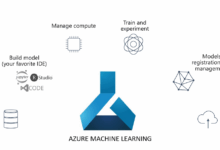


Azure Cost Management offers several benefits for businesses, including the ability to track and control costs, identify cost-saving opportunities, and allocate resources more effectively. By using this tool, organizations can gain insights into their cloud spending patterns and make informed decisions to optimize their costs.
One of the key roles of Azure Cost Management is to help businesses optimize their cloud spending by providing actionable recommendations based on usage data and cost trends. It allows organizations to set budgets, create alerts for cost overruns, and implement cost-saving measures to ensure they are getting the most value out of their cloud investment.
Azure Cost Management Features
Azure Cost Management offers a range of features to help businesses optimize their cloud spending and manage costs effectively. Let’s explore some key features below.
Cost Analysis and Reporting Tools
Azure Cost Management provides detailed cost analysis and reporting tools that allow users to track and monitor their cloud spending. Users can generate custom reports, view cost breakdowns by service, resource, or region, and analyze trends over time to identify cost-saving opportunities.
Budgeting and Forecasting Capabilities
Azure Cost Management enables users to set budgets and forecasts to help control costs and avoid unexpected charges. Users can create budget thresholds, set alerts to notify them when they are approaching their budget limits, and forecast future spending based on historical data.
Comparison with Other Cloud Service Providers
| Feature | Azure Cost Management | Other Cloud Service Providers |
|———————————|———————–|——————————-|
| Cost Analysis Tools | Yes | Yes |
| Budgeting and Forecasting | Yes | Yes |
| Custom Reporting | Yes | Limited |
| Real-time Cost Monitoring | Yes | Limited |
| Cost Optimization Recommendations| Yes | Limited |
Setting Up Budgets and Alerts
To set up budgets and alerts in Azure Cost Management, follow these steps:
1. Sign in to the Azure portal.
2. Navigate to Cost Management + Billing.
3. Select Cost Management.
4. Click on Budgets and alerts.
5. Create a new budget by entering the budget amount, timeframe, and other details.
6. Set up alerts to receive notifications when your spending exceeds the budget thresholds.
By using Azure Cost Management’s budgeting and forecasting capabilities, businesses can proactively manage their cloud spending and avoid unexpected costs, leading to significant cost savings in the long run.
Optimizing Costs in Azure Cost Management
Azure Cost Management offers various features to help optimize costs and maximize efficiency in managing cloud expenses. By leveraging these tools effectively, organizations can gain better control over their spending and ensure optimal resource utilization.
Azure Cost Management provides insights into cost trends, identifies cost-saving opportunities, and enables users to set budgets and alerts to prevent overspending. With detailed reports and analytics, businesses can make informed decisions to optimize their cloud spending and achieve cost efficiency.
Cost Optimization Strategies
- Monitor resource usage and performance to identify underutilized resources that can be downsized or decommissioned.
- Implement auto-scaling to dynamically adjust resource allocation based on demand, reducing costs during periods of low usage.
- Leverage reserved instances or spot instances to benefit from discounted pricing for long-term commitments or flexible workloads.
- Use Azure Cost Management recommendations to optimize configurations, right-size resources, and eliminate unnecessary expenses.
- Utilize Azure Hybrid Benefit to save costs on Windows Server and SQL Server licenses when running workloads in Azure.
Azure Cost Management Tools
Azure Cost Management provides a variety of tools to help you monitor and control costs effectively. These tools are essential for optimizing your cloud expenses and ensuring efficient resource allocation.
Cost Analysis
- Cost Analysis allows you to analyze your spending patterns and identify areas where you can save costs.
- You can view cost breakdowns by services, resources, and regions to understand where your money is being spent.
- Utilize filters and groupings to customize your cost reports and gain insights into your spending habits.
Budgets
- Set up budgets to establish spending limits and receive notifications when you are approaching or exceeding your budget.
- Track your budget performance over time and adjust as needed to control costs effectively.
- Use budgets to align your spending with your financial goals and avoid unexpected expenses.
Recommendations
- Receive personalized recommendations from Azure Cost Management to optimize your costs based on your usage patterns.
- Implement recommended actions to reduce your spending and improve cost efficiency in your Azure environment.
- Continuously monitor and act on recommendations to maximize your savings potential.
Setting Up Budgets and Alerts
Setting up budgets and alerts in Azure Cost Management is essential for effective cost control and management. By establishing budgets and configuring alerts, you can monitor your spending, prevent unexpected expenses, and optimize your resources efficiently.
Importance of Setting Budgets and Alerts
- Setting budgets allows you to define spending limits for your Azure resources, helping you stay within your financial targets.
- Configuring alerts enables you to receive notifications when your costs approach or exceed the set budget thresholds, allowing you to take timely actions.
- By using budgets and alerts together, you can proactively manage your expenses, identify cost-saving opportunities, and make informed decisions based on real-time data.
Tips for Effective Use of Budgets and Alerts
- Regularly review and adjust your budgets based on changing business needs and priorities to ensure they remain relevant and aligned with your goals.
- Set up alerts for critical cost metrics, such as total spending, spending by resource group, or specific services, to focus on areas that require immediate attention.
- Utilize Azure Cost Management’s forecasting capabilities to predict future spending trends and adjust your budgets accordingly to avoid budget overruns.
- Collaborate with your team members by sharing budget reports and alert notifications to promote transparency and accountability in cost management efforts.
Cost Allocation and Chargeback
Cost allocation and chargeback in Azure Cost Management involve distributing and assigning costs incurred from cloud services to different departments or projects within an organization. This helps in tracking and managing expenses effectively, ensuring accountability and transparency in resource usage.
Cost Allocation Models
- Percentage-based Allocation: Costs are distributed based on the percentage of usage by each department or project. This model ensures proportional allocation according to resource consumption.
- User-based Allocation: Costs are allocated based on the number of users utilizing the services. This model is useful for organizations where user activity directly impacts costs.
- Fixed Allocation: Costs are assigned using a predetermined fixed amount for each department or project. This model simplifies allocation but may not accurately reflect actual usage.
Implementing a suitable cost allocation model can help organizations gain insights into spending patterns and make informed decisions for cost optimization.
Benefits of Cost Allocation
- Improved Accountability: By assigning costs to specific departments or projects, individuals are held accountable for their resource usage.
- Resource Optimization: Cost allocation helps identify areas of overspending or underutilization, enabling organizations to optimize resources efficiently.
- Budget Control: Organizations can set budgets based on allocated costs, ensuring financial targets are met and preventing unexpected expenses.
Monitoring Resource Consumption
Monitoring resource consumption is a crucial aspect of managing costs effectively in Azure. Azure Cost Management provides tools and insights to help track resource usage, analyze data, and optimize costs.
Analyzing Resource Consumption Data
- Utilize Azure Cost Management’s reporting features to generate detailed usage reports for different resources.
- Identify peak usage periods and trends to understand when resources are being utilized the most.
- Compare resource consumption across different time periods to spot any anomalies or inefficiencies.
- Use cost analysis tools to break down resource usage by service, region, or department for better cost allocation.
Reserved Instances and Cost Savings
When it comes to optimizing costs in Azure Cost Management, one key strategy that organizations can leverage is the use of reserved instances. Reserved instances allow users to pre-purchase Azure services for a specific term, typically one to three years, at a discounted rate compared to pay-as-you-go pricing.
Benefits of Reserved Instances
- Cost Savings: By committing to a reserved instance, organizations can benefit from significant cost savings compared to on-demand pricing.
- Predictable Budgeting: With reserved instances, organizations can forecast and plan their budget more effectively, knowing the exact cost of their Azure services over a set period.
- Flexible Payment Options: Azure offers various payment plans for reserved instances, allowing organizations to choose the payment option that best suits their financial requirements.
Optimizing Cost Savings with Reserved Instances
- Utilize Azure Cost Management Tools: Leverage Azure Cost Management tools to identify the most suitable instances to reserve based on your usage patterns and requirements.
- Monitor and Adjust Usage: Regularly monitor your resource consumption and adjust your reserved instances accordingly to ensure you are optimizing your cost savings effectively.
- Combine with Budgets and Alerts: Set up budgets and alerts in Azure Cost Management to receive notifications when you are approaching your budget limit or if there are opportunities to further optimize costs with reserved instances.
Cost Management for Hybrid Cloud Environments
In today’s technology landscape, many organizations are adopting hybrid cloud environments to leverage the benefits of both on-premises infrastructure and cloud services. Managing costs in such hybrid setups can be challenging due to the dynamic nature of the infrastructure. Azure Cost Management provides tools and features that can help organizations effectively monitor and optimize costs in hybrid cloud environments.
Utilizing Azure Cost Management in Hybrid Cloud Environments
- Integrating Azure Cost Management with on-premises infrastructure monitoring tools for a comprehensive cost management strategy.
- Utilizing Azure Cost Management APIs to gather cost data from both on-premises and cloud resources for a holistic view of expenses.
- Leveraging Azure Cost Management recommendations to identify cost optimization opportunities across hybrid infrastructures.
Challenges and Solutions for Cost Management in Hybrid Cloud Setups
- Challenges: Complexity in tracking costs across different environments, lack of visibility into on-premises expenses, difficulty in allocating costs between on-premises and cloud resources.
- Solutions: Implementing cost allocation tags for accurate cost attribution, setting up budgets and alerts for proactive cost monitoring, utilizing cost optimization tools for hybrid environments.
Strategies for Effective Cost Management in Hybrid Infrastructures
- Implementing a centralized cost management approach to track expenses across on-premises and cloud resources.
- Leveraging Azure Cost Management analytics to identify cost trends and anomalies in hybrid environments.
- Regularly reviewing cost reports and optimizing resource utilization to maximize cost savings.
Cost Implications of Integrating On-Premises Infrastructure with Cloud Services
- Increased operational costs due to the complexity of managing hybrid environments.
- Potential cost savings from optimizing resource utilization and leveraging cloud services for scalability.
- Challenges in accurately forecasting costs in hybrid setups due to varying utilization patterns.
Cost Optimization Techniques Specific to Hybrid Cloud Environments
- Implementing a mix of reserved instances and on-demand resources to balance cost and performance requirements.
- Leveraging Azure Cost Management tools to identify underutilized resources and right-size deployments in hybrid environments.
- Utilizing cost allocation tags to allocate expenses accurately between on-premises and cloud resources.
Cost Management Plan for Dynamic Hybrid Infrastructures
- Establishing clear cost management policies and guidelines for managing expenses in hybrid cloud environments.
- Regularly reviewing and optimizing cost allocation tags to ensure accurate cost attribution across on-premises and cloud resources.
- Implementing automated cost monitoring and alerting systems to proactively identify and address cost overruns in hybrid infrastructures.
Real-World Examples of Successful Cost Management Implementations in Hybrid Cloud Settings
- A multinational corporation successfully optimized costs by leveraging Azure Cost Management to monitor expenses across on-premises data centers and cloud resources.
- A financial services institution improved cost visibility and control by implementing cost allocation tags and setting up budget alerts in their hybrid cloud environment.
- An e-commerce company achieved significant cost savings by utilizing Azure Cost Management recommendations to optimize resource utilization in their hybrid infrastructure.
Compliance and Governance in Azure Cost Management
Compliance and governance play a crucial role in Azure Cost Management, ensuring that organizations adhere to cost management policies while optimizing cloud expenses. By maintaining governance practices, businesses can effectively control costs and prevent unnecessary overspending.
Importance of Compliance and Governance
- Compliance and governance are essential to prevent cost overruns and ensure financial accountability within organizations.
- They help in enforcing best practices and aligning cost management activities with business objectives.
- By maintaining compliance, organizations can mitigate risks and enhance transparency in cost allocation and utilization.
Key Components of Compliance in Azure Cost Management
- Policies: Policies define rules and guidelines for cost management, ensuring adherence to budget limits and resource allocation.
- Automated Compliance Checks: Automated checks help in real-time monitoring of cost activities, identifying deviations from set policies.
- Budget Alerts: Setting up budget alerts enables organizations to receive notifications when expenses exceed predefined thresholds.
Examples of Cost Management Policies
- Enforcing cost allocation tags for resources to track spending by departments or projects.
- Limiting the use of specific resource types or services to control expenses.
- Implementing reserved instances for predictable workloads to maximize cost savings.
Setting Up Budget Alerts for Compliance
- Access the Azure Cost Management portal and navigate to Budgets & Alerts.
- Create a new budget by setting the amount, scope, and duration for monitoring expenses.
- Configure alert thresholds and notification settings to ensure timely alerts for budget breaches.
Tracking and Reporting for Governance Purposes
- Generate cost management reports to analyze spending patterns and identify areas for optimization.
- Track cost trends over time to assess the effectiveness of cost management strategies.
- Share cost reports with stakeholders to enhance transparency and accountability in cost management practices.
Benefits of Automated Compliance Checks
- Automated compliance checks reduce manual efforts in monitoring cost activities and ensure continuous adherence to policies.
- Real-time alerts help in proactively addressing cost deviations and optimizing cloud expenses.
- Enhanced visibility into cost management practices improves decision-making and financial governance within organizations.
Reporting and Analytics
Reporting and analytics play a crucial role in Azure Cost Management by providing insights into cost data, identifying patterns, and highlighting opportunities for optimization.
Types of Reports Available
- Azure Cost Management offers various pre-built reports, such as Cost Analysis, Cost by Resource, and Cost by Service.
- Customizable reports like Budget vs. Actuals and Forecasting Reports are also available for tailored analysis.
- Reports can be filtered by time range, resource groups, or specific services to focus on relevant cost data.
Analyzing Cost Data
- Analytics can help in identifying cost-saving opportunities by pinpointing areas of overspending or underutilization.
- Through trend analysis and comparison reports, users can track cost fluctuations and make informed decisions.
- Utilizing cost anomaly detection can highlight irregularities in spending for further investigation.
Creating Custom Reports
- Users can create custom reports to track specific cost metrics by selecting desired parameters and visualization options.
- Custom reports allow for in-depth analysis of cost data based on unique business requirements and objectives.
Automated Report Generation
- Setting up automated report generation enables regular monitoring of costs without manual intervention.
- Automated reports can be scheduled to be sent to stakeholders or decision-makers for review and action.
- This feature ensures continuous visibility into cost trends and adherence to budget goals.
Interpreting Cost Data Trends
- Interpreting cost data trends involves analyzing historical data, identifying patterns, and forecasting future spending.
- Utilizing built-in analytical tools like cost over time graphs and cost breakdowns can aid in understanding cost trends.
- Comparing actual costs with budgeted amounts helps in assessing financial performance and adjusting strategies accordingly.
Forecasting for Budget Planning
- Forecasting capabilities in Azure Cost Management allow users to predict future cost trends based on historical data and existing patterns.
- By leveraging forecasting tools, organizations can plan budgets more effectively, allocate resources efficiently, and mitigate cost overruns.
- Forecasting also enables proactive decision-making and strategic financial planning for optimizing cost management in the long run.
Cost Management Best Practices
Effective cost management is crucial for organizations utilizing Azure Cost Management. By implementing best practices, businesses can optimize their spending, improve cost efficiency, and foster a culture of financial responsibility. Below are key strategies to help organizations achieve these goals:
Establishing a Cost-Conscious Culture
- Encourage accountability and awareness of costs at all levels of the organization.
- Provide training and resources to educate employees on cost management best practices.
- Reward and recognize cost-saving initiatives to promote a culture of fiscal responsibility.
Setting Budget Alerts and Utilization Quotas
- Define budget thresholds and set up alerts to notify stakeholders of potential cost overruns.
- Utilize utilization quotas to control resource consumption and prevent unexpected charges.
- Regularly review and adjust budget alerts and quotas based on changing business needs.
Analyzing Cost Trends and Forecasting Expenses
- Utilize Azure Cost Management tools to analyze historical cost data and identify trends.
- Forecast future expenses based on past usage patterns and upcoming projects.
- Adjust resource allocation and spending based on cost forecasts to optimize budget utilization.
Leveraging Reserved Instances and Spot Instances
- Purchase reserved instances for predictable workloads to benefit from cost savings.
- Utilize spot instances for non-critical workloads to take advantage of discounted pricing.
- Optimize resource allocation between reserved and spot instances to maximize cost efficiency.
Using Azure Cost Management APIs for Automation
- Automate cost management tasks using Azure Cost Management APIs to streamline processes.
- Integrate cost data into existing workflows and reporting systems for improved visibility.
- Create custom automation scripts to optimize resource allocation and cost tracking.
Explore Azure Cost Management Training Modules
Azure Cost Management offers various training modules for beginners looking to enhance their knowledge in cost management within the Azure environment. These modules provide step-by-step guidance on understanding and optimizing costs effectively. Enrolling in these training resources can significantly benefit individuals aiming to master cost management in Azure.
Azure Cost Management Training Modules
- Introduction to Azure Cost Management
- Azure Cost Management Features and Functionality
- Optimizing Costs in Azure Cost Management
- Setting Up Budgets and Alerts
- Cost Allocation and Chargeback Processes
Accessing these training modules can be done through the Azure portal under the Learning Paths section. Simply search for the desired module and enroll to start enhancing your Azure Cost Management skills.
Compare Azure Cost Management Certification Options
Azure Cost Management certifications offer a structured path for individuals to showcase their expertise and proficiency in managing costs efficiently within Azure. By comparing different certification options, individuals can choose the most suitable certification based on their career aspirations and current skill level.
Azure Cost Management Certification Options
- Microsoft Certified: Azure Fundamentals
- Azure Administrator Associate
Each certification has specific prerequisites and tests different skills related to Azure Cost Management. Depending on your career goals and expertise level, it is recommended to pursue the certification that aligns best with your objectives.
Utilize Azure Cost Management Community Forums
Engaging in Azure Cost Management community forums can provide valuable insights, tips, and solutions to common cost management challenges. These forums serve as a platform for users to share experiences, troubleshoot issues, and stay updated on the latest trends in cost optimization within Azure.
Popular Azure Cost Management Community Forums
- Azure Cost Management Community on Microsoft Tech Community
- Azure Cost Management Subreddit
- Azure Cost Management LinkedIn Group
Joining these forums is simple; create an account on the respective platform and start engaging in discussions. Leveraging community support can help in resolving complex cost management issues effectively.
Closure
In conclusion, Azure Cost Management not only streamlines cost optimization but also empowers organizations to make informed decisions that drive growth and innovation in the ever-evolving realm of cloud services.
